


FORGING PROCESS
Forging is generally defined as the use of compressive forces to work metal into a desired shape.
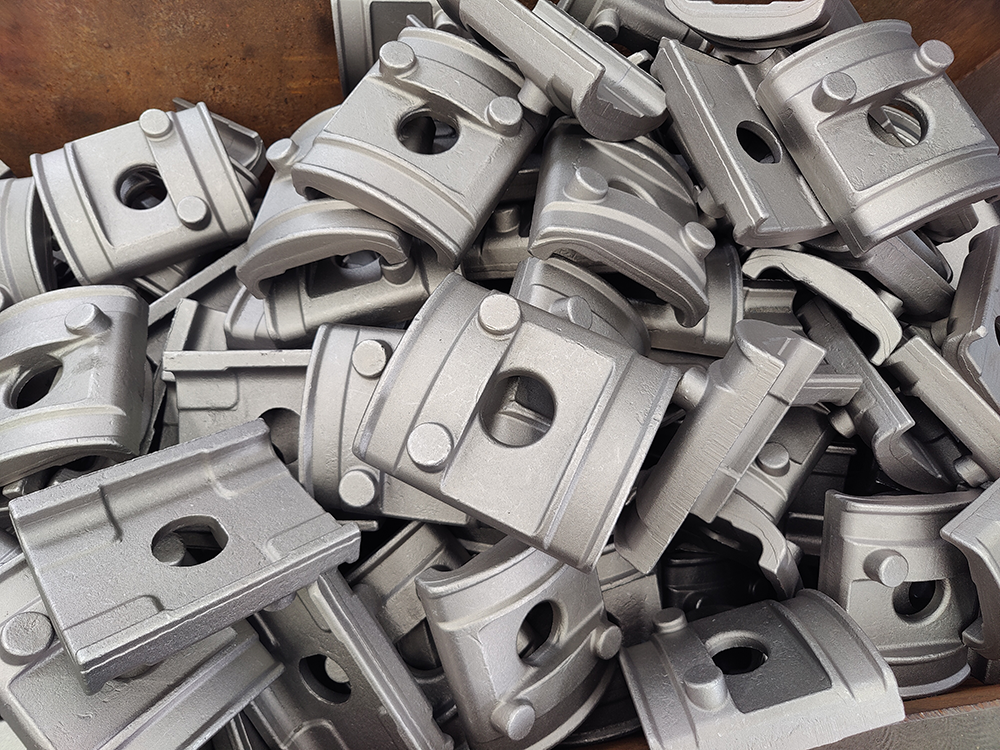
Die forging refers to the forging method of using a mold to form a blank on a special die forging equipment. The forgings produced by this method have precise dimensions, small machining allowance, complex structure and high productivity. This is the process used by SENNAI. The process of forging metal blanks with a forging die on a forging hammer or press. The die forging process has high production efficiency, low labor intensity, precise dimensions, small machining allowance, and can forge forgings with complex shapes, which is suitable for mass production.
-
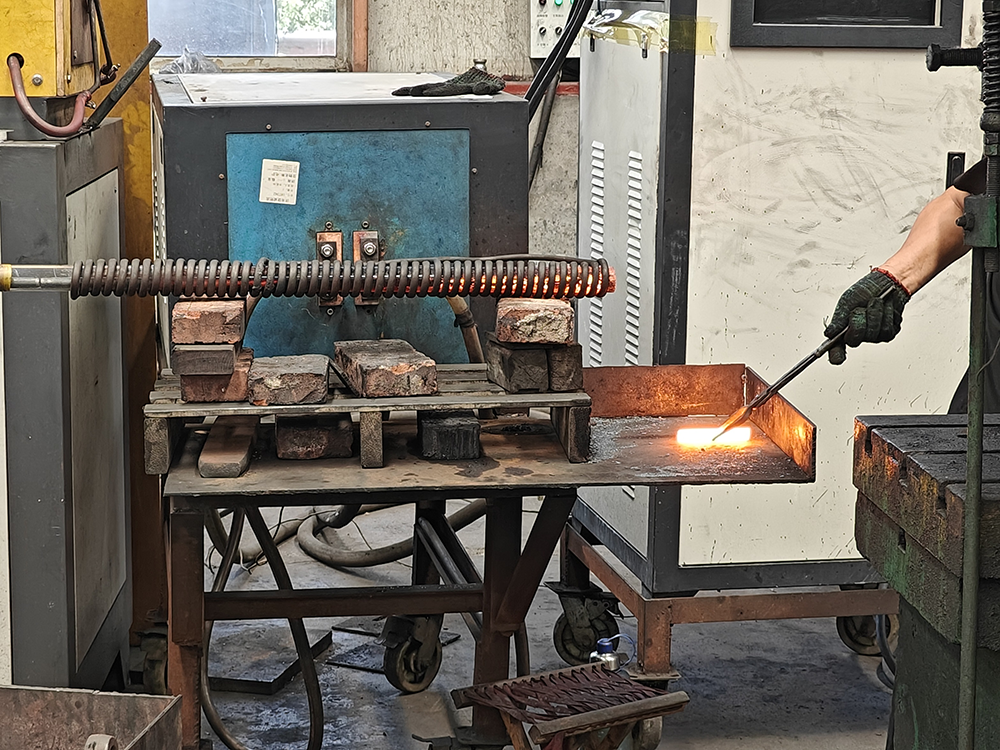
Heater
Pre-forged metal begins as a lump of metal called an "ingot", which comes in a variety of shapes and sizes depending on the part or assembly to be produced.
-
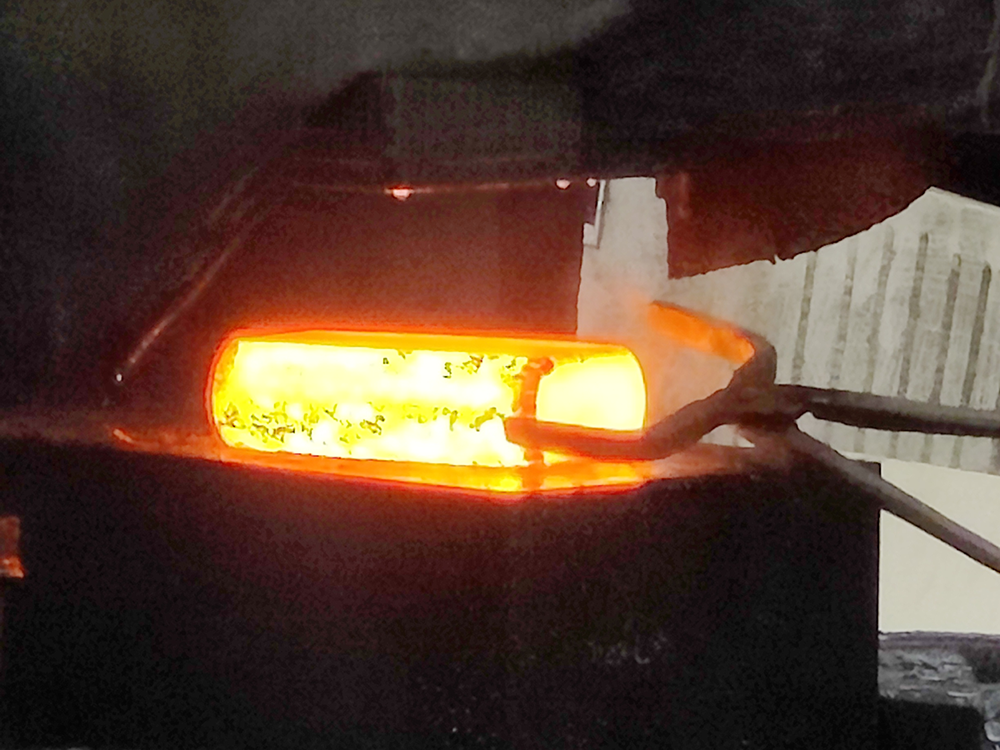
Preform
In order to form a piece of ingot to be pressed between closed molds, the heated ingot is edged and blocked with a press.
-
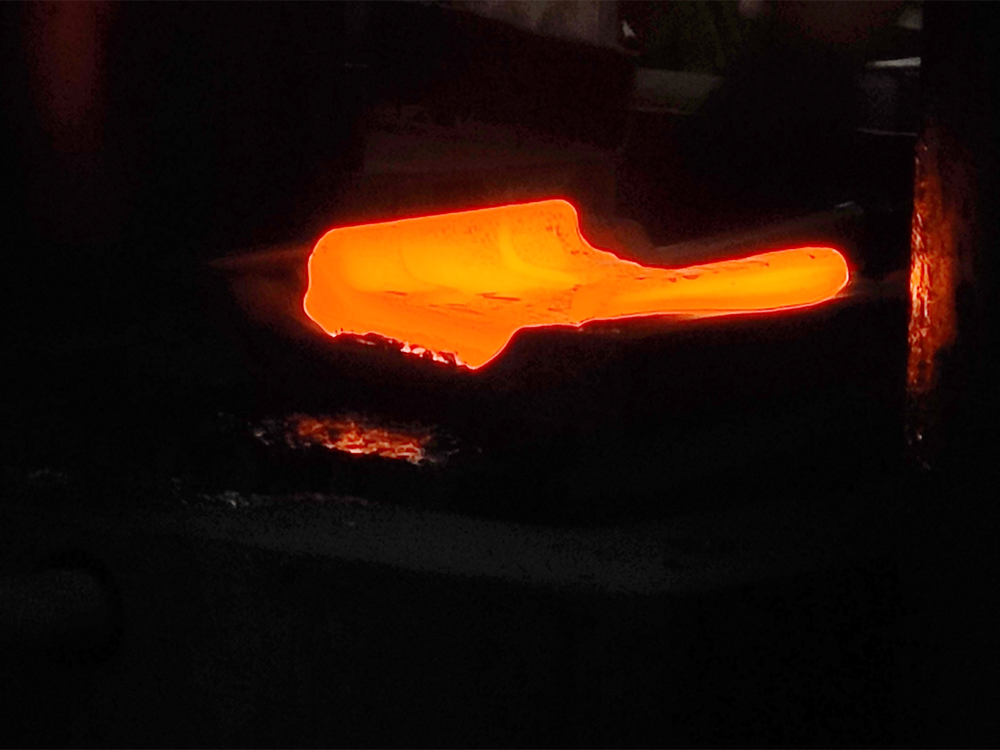
Forging and molding
To complete the shape, the pre-formed metal is forced into an indentation between two molds, and then the edge excess is removed by the next press
-
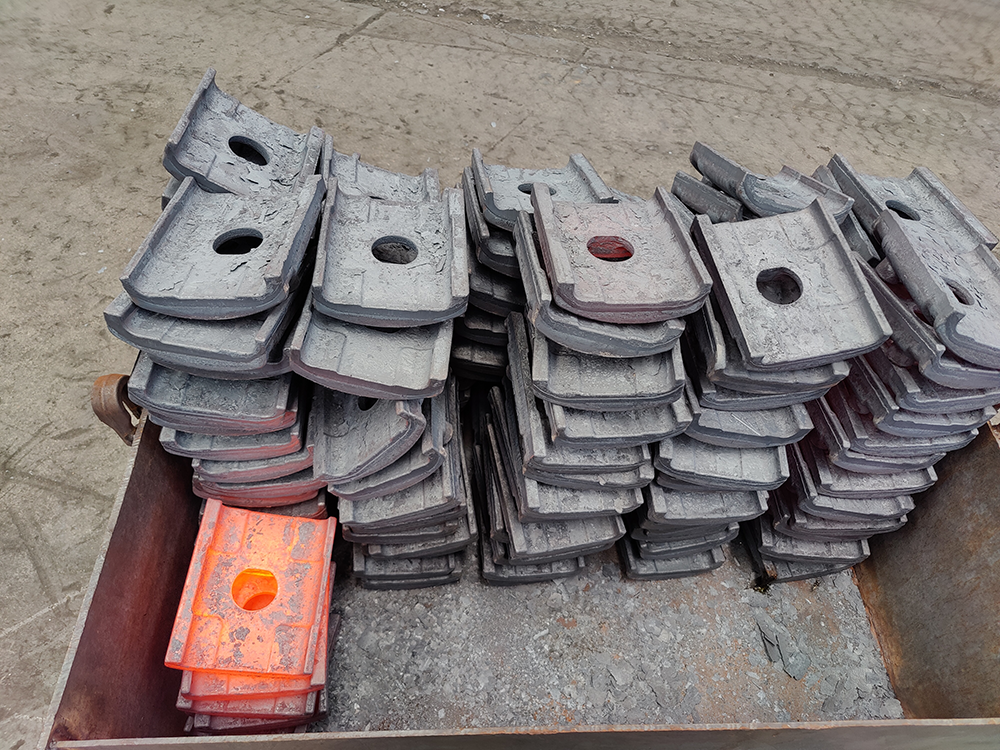
Cool off
By coordinating the cooling of the metal, forging can increase the strength of the end product by deforming and optimizing grain flow within the metal.
-
Fulfillment
After the stamping process, the forged product is subjected to trimming and other surface preparation operations to improve the dimensional accuracy of the forged product.
FORGING PROCEDURE

Located at No.57, Weiqiao Aluminum Deep Processing Industrial Park, Binzhou City, Shandong Province, China
Copyright © 2023 Shandong Sennai Technology Co., Ltd SEO 国际站建设:中企动力 淄博 外贸Google推广
Welcome your advice message
