

The Evolution of Agricultural Machinery Transmission Chains
2024-02-23
The transmission chain is a critical component in agricultural machinery, serving as the backbone of power transfer from the engine to various mechanical components. Over the years, the design and functionality of agricultural machinery transmission chains have evolved significantly, driven by advancements in materials, manufacturing processes, and engineering principles.
In the early days of agriculture, simple roller chains were commonly used in farm equipment to transmit power from engines to wheels or other moving parts. These chains consisted of interconnected cylindrical rollers held together by link plates, providing a basic yet effective means of power transmission. However, they were prone to wear and required frequent maintenance to ensure optimal performance.
As technology progressed, the demand for more robust and reliable transmission chains grew. This led to the development of precision roller chains, which featured improved design tolerances and materials to enhance durability and efficiency. Precision roller chains became the standard in agricultural machinery, offering smoother operation, reduced friction, and increased longevity compared to their predecessors.
In recent years, the advent of advanced materials such as stainless steel and alloy steels has further revolutionized the agricultural machinery transmission chain industry. These materials offer superior strength, corrosion resistance, and fatigue properties, making them ideal for demanding agricultural applications.
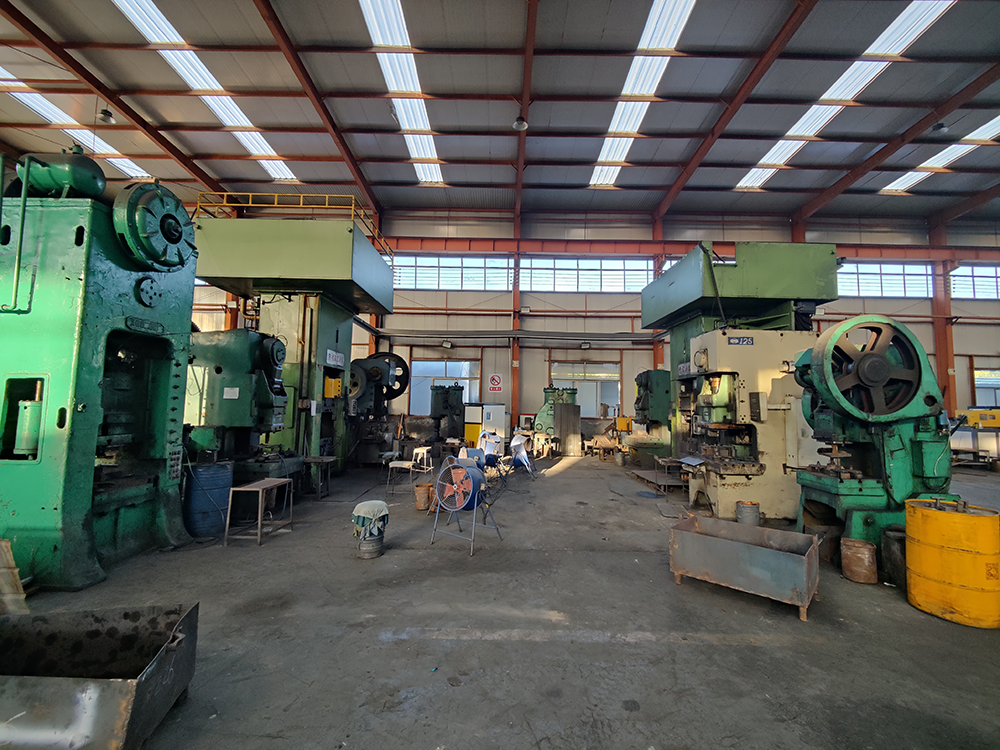
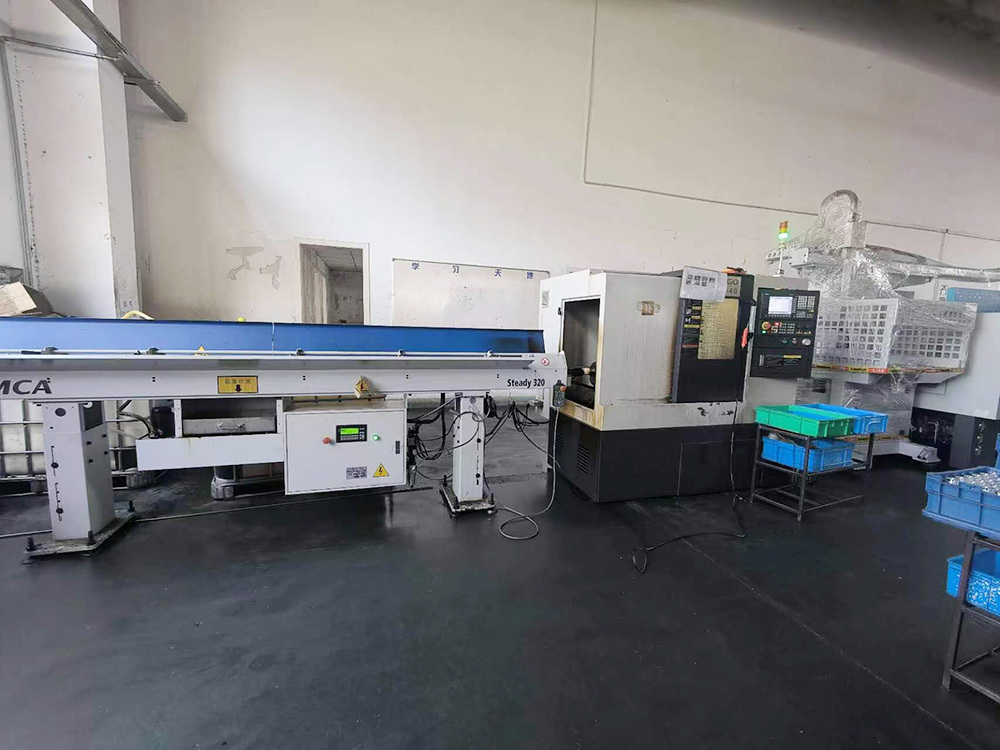
Moreover, advancements in manufacturing processes, such as precision machining and heat treatment techniques, have enabled the production of transmission chains with tighter tolerances and enhanced surface finishes. This results in reduced friction, improved wear resistance, and increased power transmission efficiency, ultimately enhancing the overall performance and reliability of agricultural machinery.
Furthermore, the integration of innovative design features, such as lubrication grooves, sealed joints, and specialized coatings, has further optimized the functionality and lifespan of agricultural machinery transmission chains. These design enhancements minimize maintenance requirements, reduce downtime, and ensure consistent performance in harsh agricultural environments.
Looking ahead, the future of agricultural machinery transmission chains holds promise for even greater advancements. Emerging technologies such as additive manufacturing (3D printing) and nanomaterials offer the potential to further improve chain design, performance, and sustainability. By continually pushing the boundaries of innovation, the agricultural machinery industry can ensure that transmission chains remain a cornerstone of efficient and reliable farm equipment for generations to come.
Latest News


Located at No.57, Weiqiao Aluminum Deep Processing Industrial Park, Binzhou City, Shandong Province, China
Copyright © 2023 Shandong Sennai Technology Co., Ltd SEO 国际站建设:中企动力 淄博 外贸Google推广
Welcome your advice message
