

Understanding the Cost Components of Elevator Circulation Chains: A Comprehensive Guide
2026-05-08
Understanding the Cost Components of Elevator Circulation Chains
Elevator circulation chains play a pivotal role in the efficiency and reliability of vertical transportation systems. Understanding the cost components associated with these critical elements is essential for manufacturers, building managers, and maintenance teams. In this comprehensive guide, we will delve into the various factors that contribute to the overall cost of elevator circulation chains, including material selection, manufacturing processes, maintenance considerations, and more. Equipped with this knowledge, stakeholders can make informed decisions that optimize performance and budget.
Table of Contents
- What Are Elevator Circulation Chains?
- The Importance of Elevator Circulation Chains in Vertical Transportation
- Key Cost Components of Elevator Circulation Chains
- Material Costs
- Manufacturing Costs
- Design and Engineering Costs
- Installation Costs
- Maintenance and Replacement Costs
- Factors Influencing the Costs of Elevator Circulation Chains
- Cost Reduction Strategies for Elevator Circulation Chains
- Frequently Asked Questions
- Conclusion
What Are Elevator Circulation Chains?
Elevator circulation chains are a vital component of elevator systems, specifically designed to facilitate the smooth movement of elevators. They function as the connection between the elevator car and the counterweights, allowing for an efficient balance of weight and smooth vertical transit. Made typically from high-strength materials such as steel or specialized alloys, these chains are engineered to withstand substantial loads and dynamic forces.
The Importance of Elevator Circulation Chains in Vertical Transportation
Elevator circulation chains are not just mechanical components; they are fundamental to safety and efficiency in vertical transportation. A well-functioning chain system ensures that elevators operate smoothly, thus enhancing safety for passengers. Furthermore, the performance of these chains can directly impact the longevity of the elevator system, making their quality and pricing a crucial consideration in elevator design and maintenance.
Key Cost Components of Elevator Circulation Chains
Material Costs
The material cost is one of the most significant components when calculating the total cost of elevator circulation chains. High-quality materials are essential for durability and performance. Steel chains, often galvanized for corrosion resistance, are commonly used, but the choice of materials can vary based on specific requirements, such as load capacity and environmental conditions. Additionally, the thickness and tensile strength of the materials can influence overall costs.
Manufacturing Costs
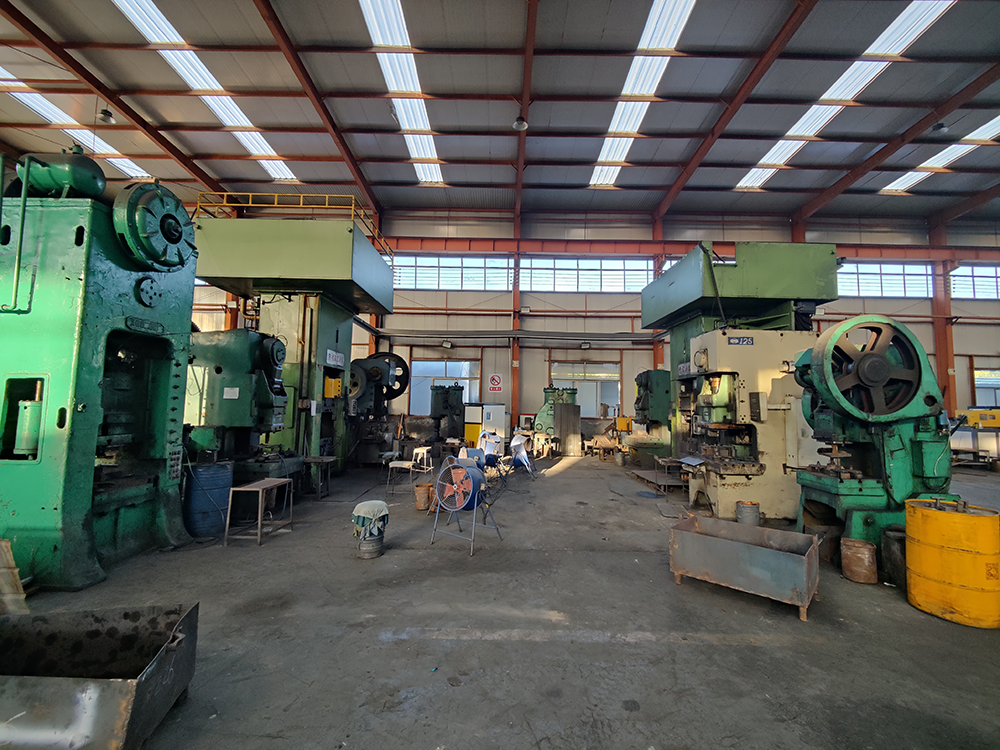
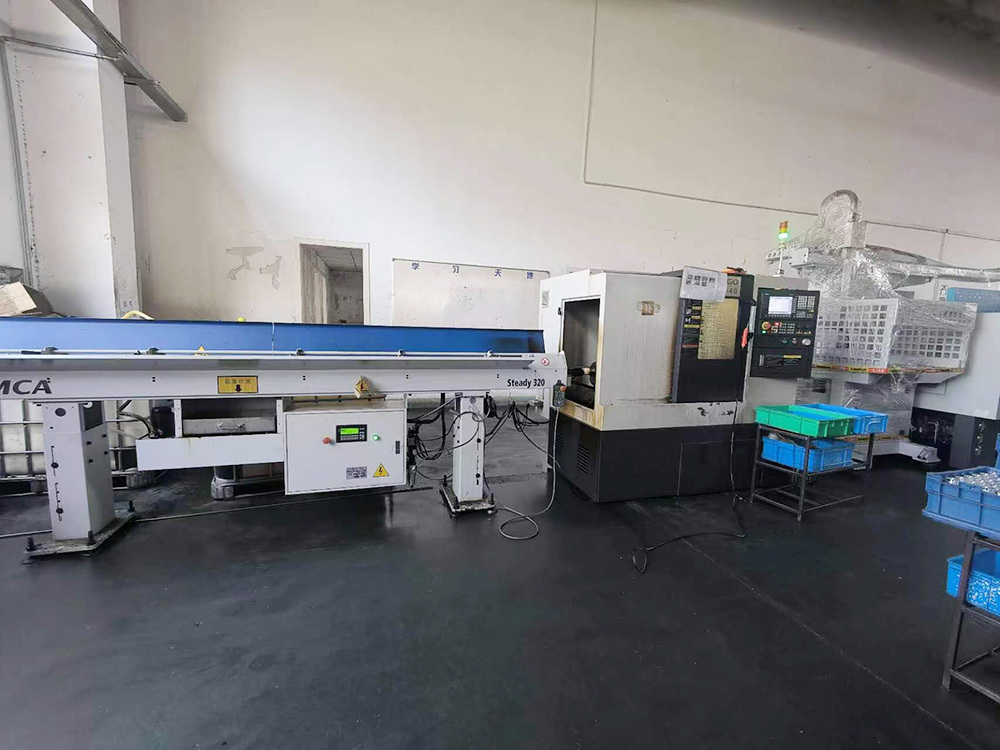
Manufacturing costs include expenses associated with the processing and fabrication of chains. This encompasses labor, overhead, and machinery costs. The complexity of the manufacturing process can greatly affect this component. For instance, specialized manufacturing techniques, such as heat treatment or surface hardening, may enhance performance but also increase production costs. Manufacturers often balance cost and quality to provide optimal products for various applications.
Design and Engineering Costs
Design and engineering costs entail expenses related to the conceptualization and development of the circulating chain system. This covers everything from initial design sketches to finite element analysis (FEA) that ensures the design can withstand operational forces. Investing in advanced engineering can result in more efficient designs that reduce material waste and improve performance, ultimately justifying the upfront costs through long-term savings.
Installation Costs
Installation costs are another critical component in the overall pricing of elevator circulation chains. These expenses include labor costs, equipment rental, and any additional materials needed for installation. Proper installation is crucial for optimal performance; thus, hiring skilled technicians ensures that the chains function correctly and safely. Poor installation can lead to increased wear and tear, resulting in higher maintenance costs down the line.
Maintenance and Replacement Costs
Maintenance costs are ongoing expenses that must be factored into the lifecycle of elevator circulation chains. Regular inspections, lubrication, and adjustments are essential to ensure seamless operation. Failure to maintain the chains can lead to premature wear and necessitate replacement, which can be a significant expense. Establishing a robust maintenance schedule not only ensures safety but can also extend the lifespan of the chains and reduce overall costs.
Factors Influencing the Costs of Elevator Circulation Chains
Several factors can influence the costs associated with elevator circulation chains:
- Chain Specification: Different applications require specific chain designs, which can affect costs. High-load or high-speed elevators may need more robust chains.
- Market Demand: Fluctuating demand for elevator systems can impact material and manufacturing costs. Economic factors and construction trends play significant roles.
- Supplier Pricing: The choice of suppliers can greatly affect the cost. Established suppliers may command higher prices due to brand reputation and quality assurance.
- Technological Advancements: Innovations in materials and manufacturing techniques can lead to cost changes. Newer technologies may offer better performance at competitive prices.
- Bulk Purchasing: Buying chains in bulk can often lead to discounts, affecting overall expenditure.
Cost Reduction Strategies for Elevator Circulation Chains
Implementing effective cost reduction strategies can help organizations manage expenses without compromising safety or performance:
- Regular Maintenance: Establishing a rigorous maintenance schedule can prevent costly replacements and extend the life of the chains.
- Investing in Quality: While higher-quality chains may have a higher upfront cost, they often provide better longevity and reliability, reducing long-term expenses.
- Supplier Negotiations: Building strong relationships with suppliers can lead to better pricing and terms, especially for bulk purchases.
- Optimizing Design: Engaging in collaborative design processes can create more efficient chains that save material costs.
- Training Personnel: Ensuring that installation and maintenance personnel are well-trained can minimize errors that lead to increased costs.
Frequently Asked Questions
1. What is the average lifespan of elevator circulation chains?
The lifespan of elevator circulation chains varies based on usage, maintenance, and environmental conditions, typically ranging from 10 to 20 years.
2. How often should elevator circulation chains be inspected?
It is advisable to inspect elevator circulation chains at least once a year, with more frequent inspections for high-use systems.
3. Can I replace just the chains without replacing the entire elevator system?
Yes, it is possible to replace just the chains if they show signs of wear. However, it is crucial to assess the condition of the entire system during replacement.
4. Are there different types of chains used in elevators?
Yes, there are several types of chains, including roller chains, block chains, and double-pitch chains, each suited for different elevator designs and applications.
5. What are the signs that elevator circulation chains need maintenance?
Signs include unusual noises, inconsistent elevator movement, and visible wear or damage to the chains.
Conclusion
Understanding the cost components of elevator circulation chains is essential for anyone involved in the construction, management, or maintenance of vertical transport systems. By focusing on material, manufacturing, design, installation, and maintenance costs, stakeholders can make informed choices that optimize both performance and expenditure. Furthermore, implementing effective cost reduction strategies ensures that these critical components remain reliable and efficient throughout their lifecycle. By prioritizing quality and maintenance, the longevity and performance of elevator circulation chains can be maximized, ultimately enhancing safety and efficiency in vertical transportation.
Latest News


Located at No.57, Weiqiao Aluminum Deep Processing Industrial Park, Binzhou City, Shandong Province, China
Copyright © 2023 Shandong Sennai Technology Co., Ltd SEO 国际站建设:中企动力 淄博 外贸Google推广
Welcome your advice message
