

Graphic Details
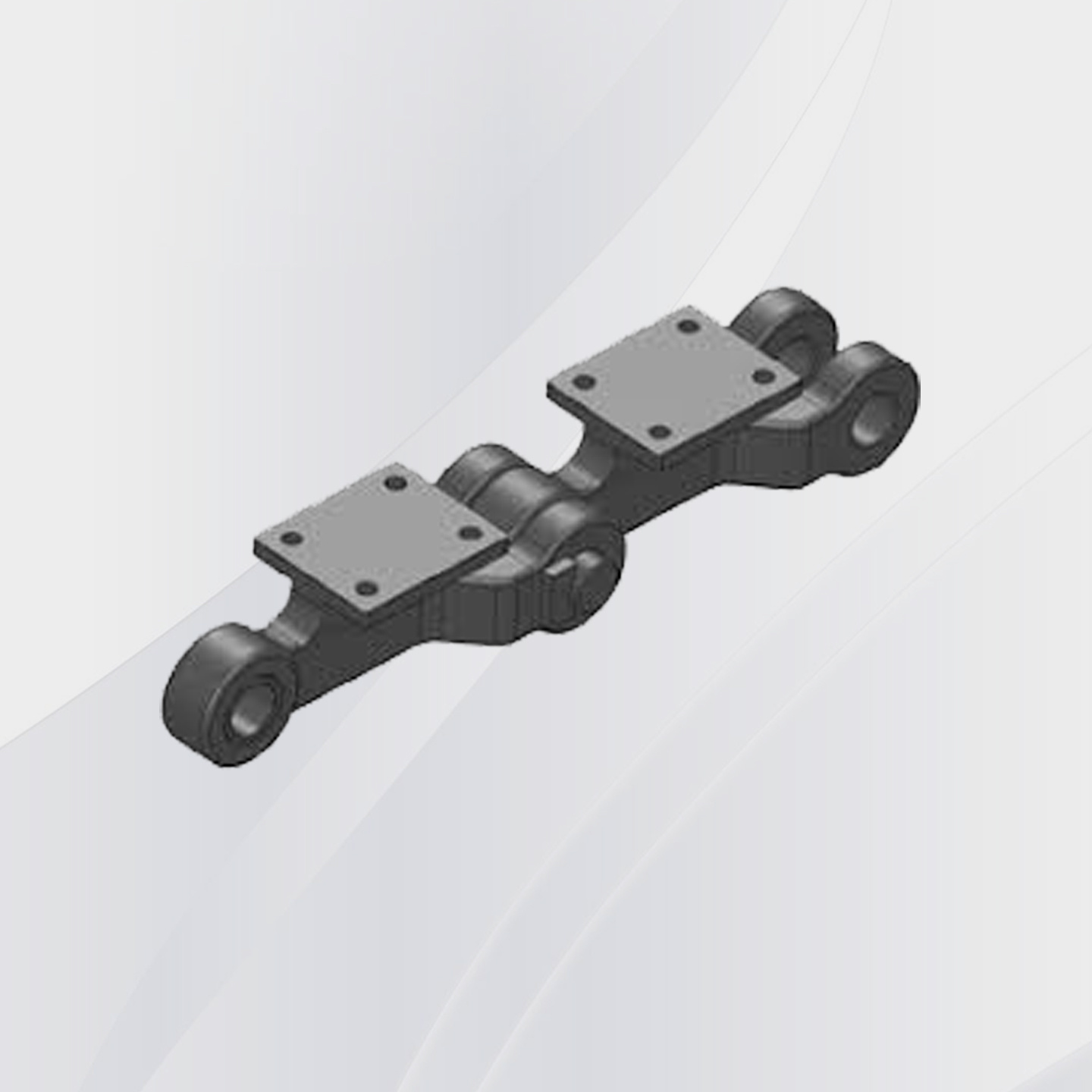
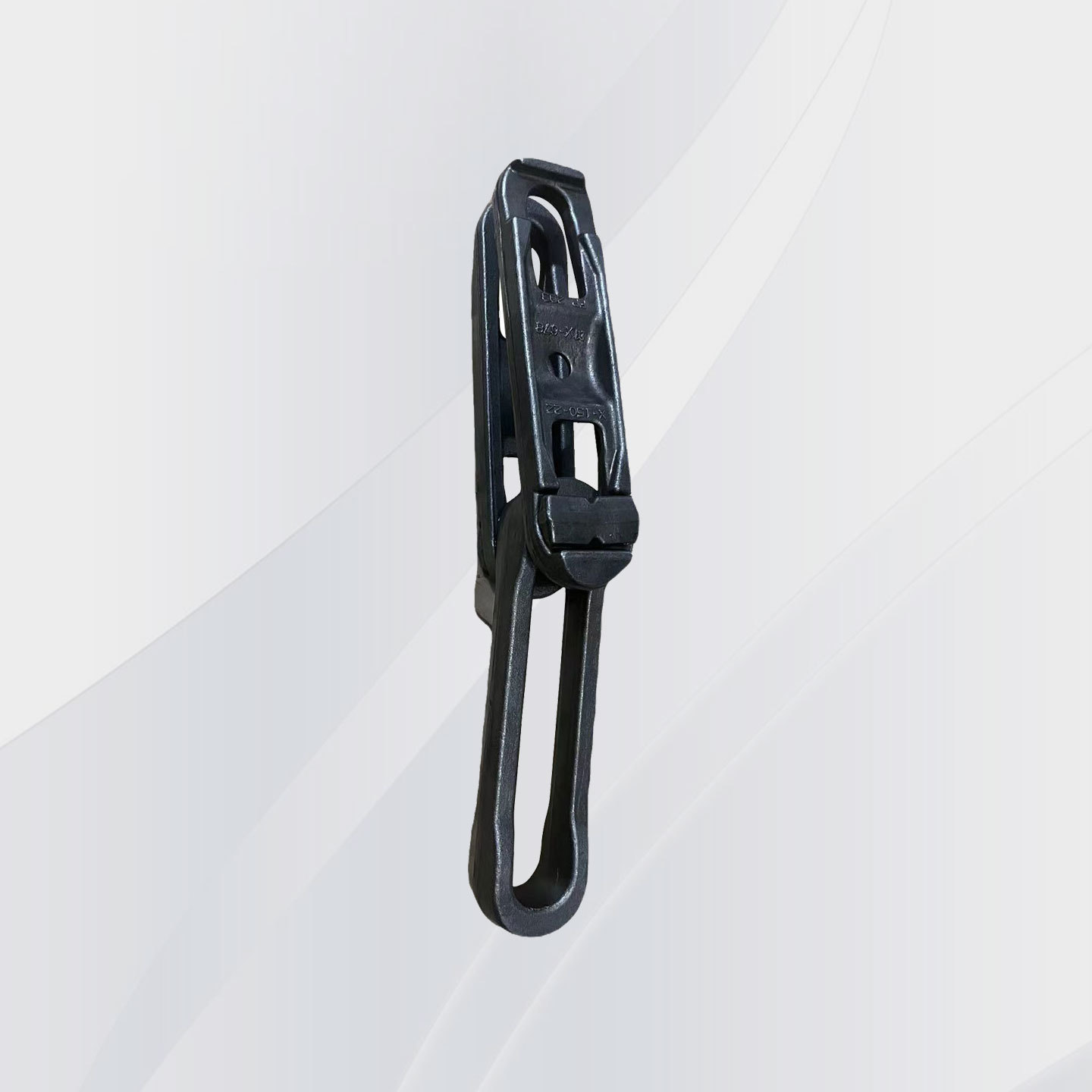
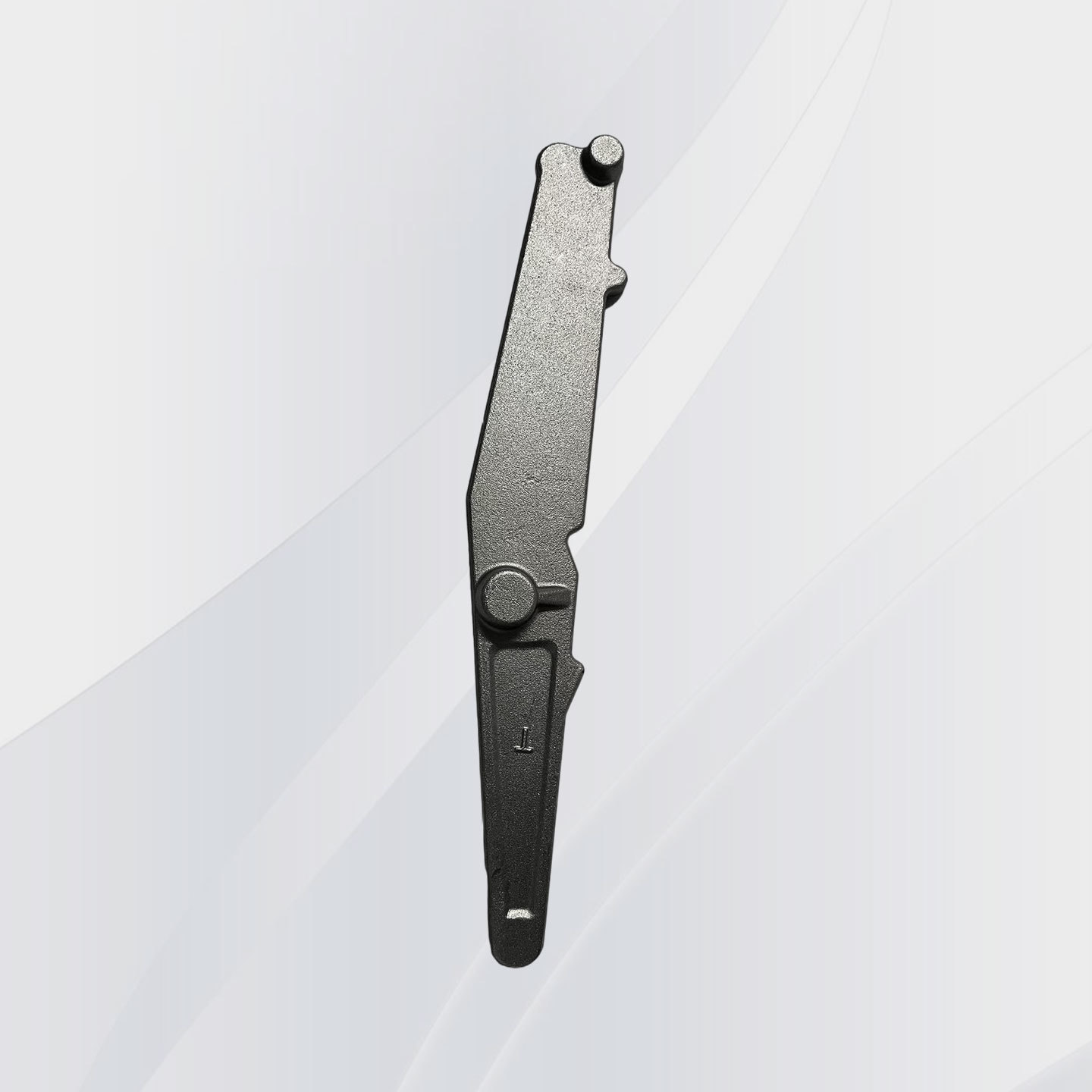
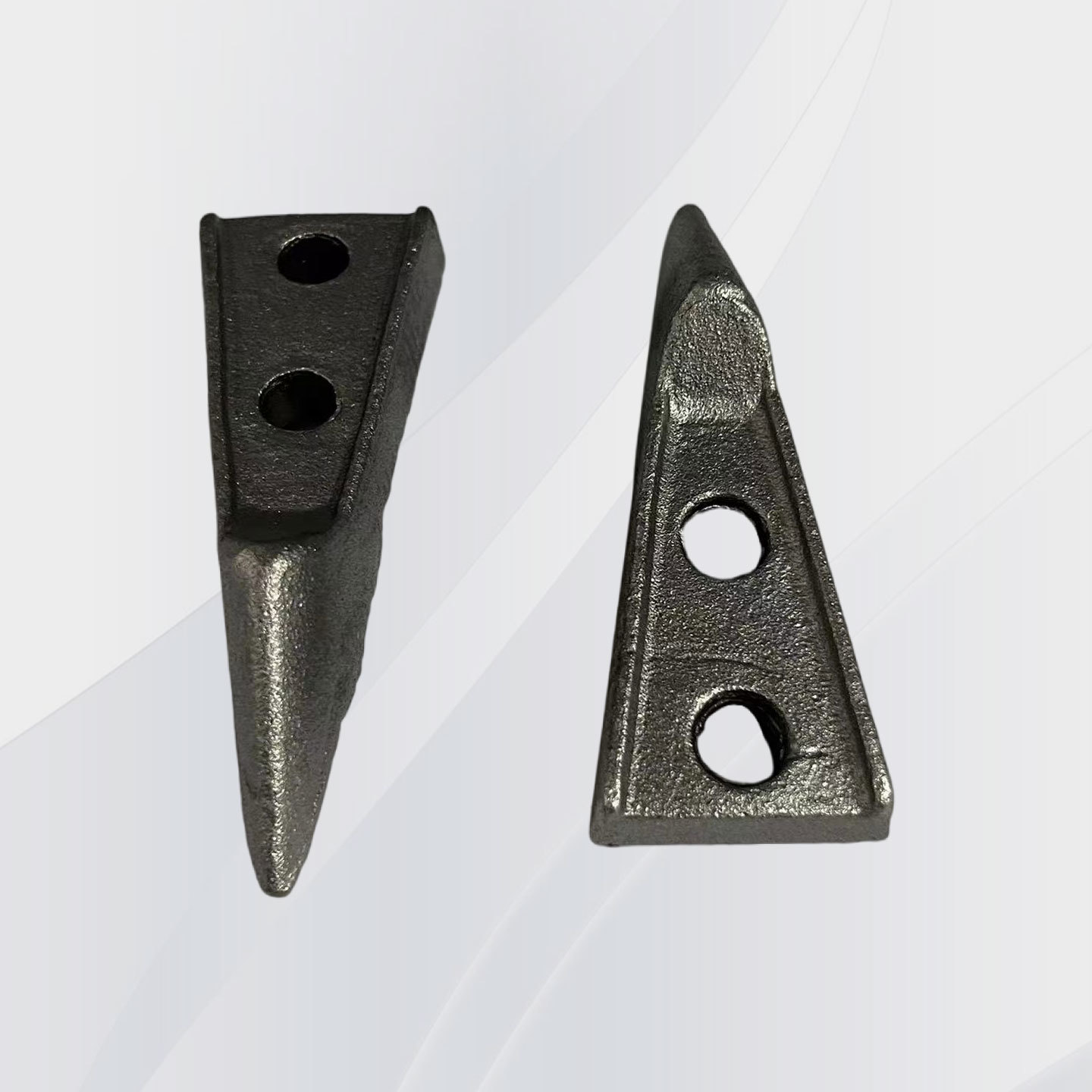
The connecting rod is an important part of an engine, usually made of high-strength alloy steel material. It connects the engine's crankshaft to the piston, playing a key role in transmitting power and controlling movement. The connecting rod has extremely high strength and rigidity to withstand high pressure and high temperature environment working conditions.
The design and manufacture of connecting rods must go through a strict process and quality control. First, it is machined and molded by CNC machine tools to ensure the accuracy of size and shape. Then, a heat treatment process is used to improve the mechanical properties and wear resistance of the material. Finally, non-damaging tests such as ultrasonic flaw detection and magnetic particle flaw detection are carried out to ensure the quality and reliability of the connecting rod.
The connecting rod is subjected to great pressure and impact in the engine working process, so it needs to have high strength and durability. At the same time, the connecting rod also requires a low weight and inertia to reduce unnecessary energy loss and vibration.
In short, as an important part of the engine, the connecting rod carries the important task of transmitting power and controlling motion. Through precise design and high-quality manufacturing, connecting rods can work stably and reliably in harsh working environments, providing a solid guarantee for engine ** operation.

Located at No.57, Weiqiao Aluminum Deep Processing Industrial Park, Binzhou City, Shandong Province, China
Copyright © 2023 Shandong Sennai Technology Co., Ltd SEO 国际站建设:中企动力 淄博 外贸Google推广
Welcome your advice message
